
The future of interior design lies in homes that are smart but don't look “technological”, and in materials that last a long time and don't harm nature. In practice this means controlling lighting, blinds and climate from your phone or by voice, energy-efficient LED lighting and good insulation, natural and recycled materials, and furniture that is repaired rather than thrown away. All of this is planned at the design stage – cables and installations are laid during the rough works.
Ten years ago a “smart home” meant complicated panels on the walls and technology on display. Today it is the opposite – the best technology is the kind you don't see. The same is happening with sustainability: it is not about an eco look but about sensible decisions that make the home healthier, more economical and longer-lasting.
In 2027 the smart home is controlled with ordinary switches, a phone app or by voice. What matters is that the system works intuitively for everyone in the family – including children and guests.
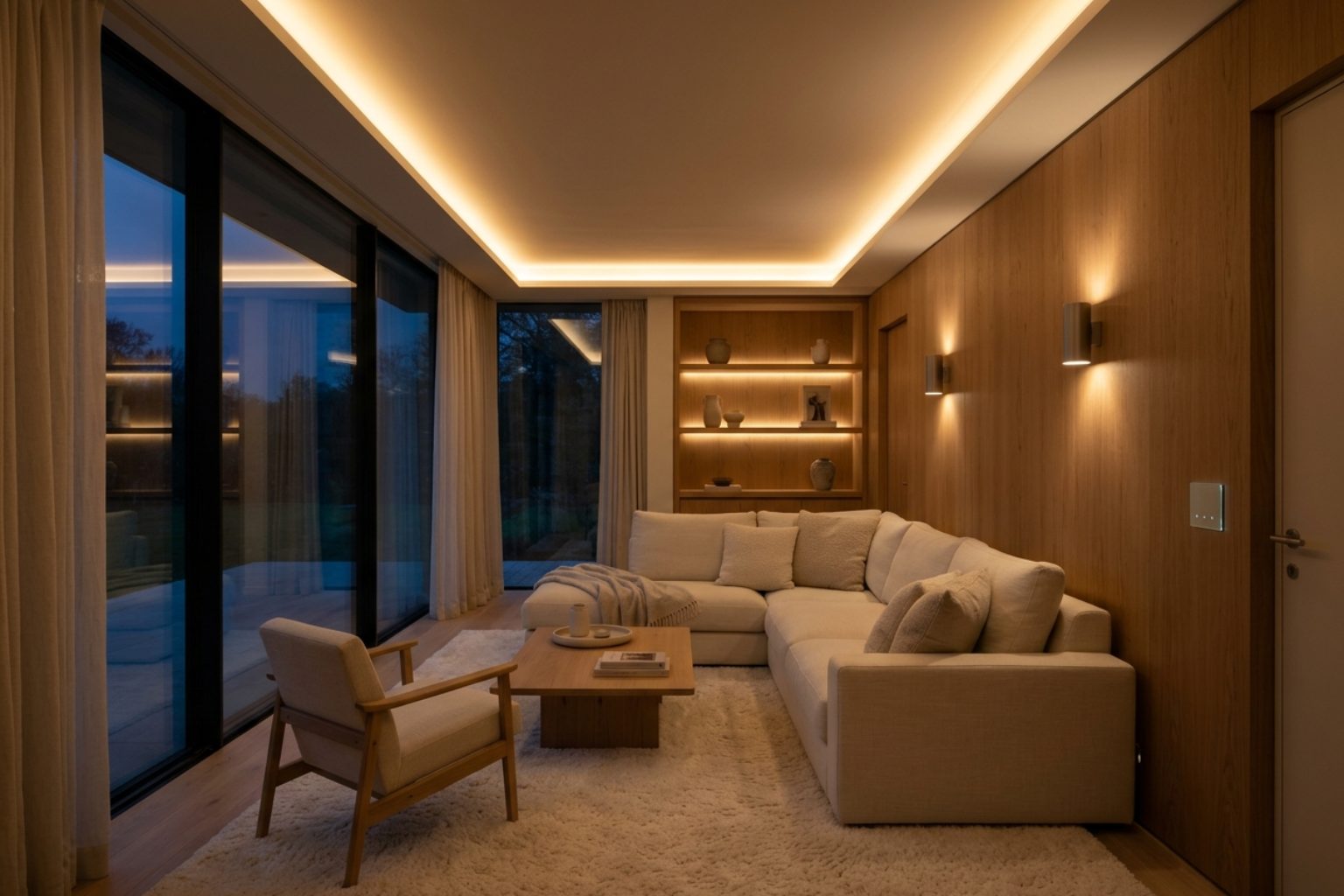
That is why the smart home is part of the interior design project, not an add-on after the renovation. See also the right order of renovation stages.
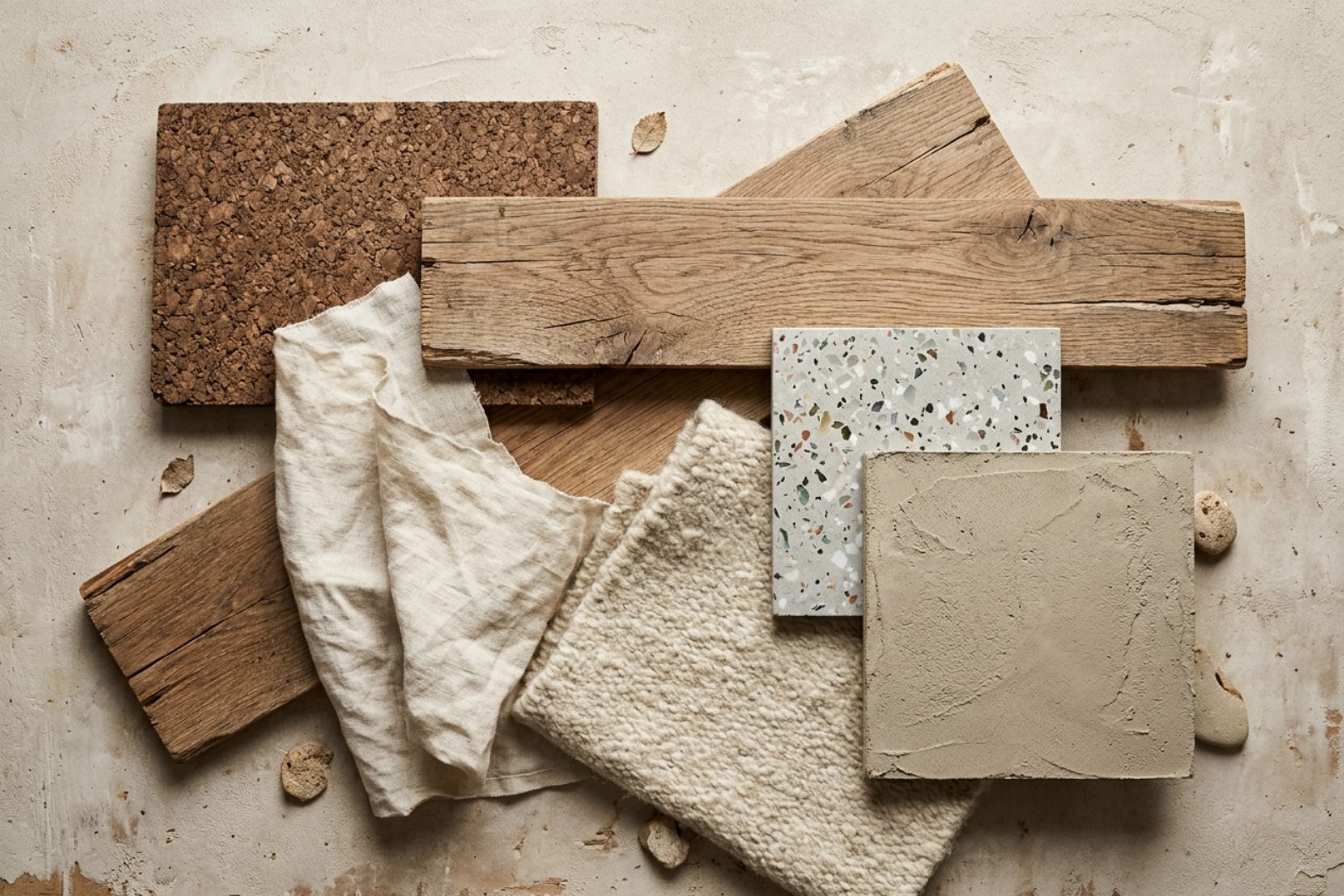
A sustainable material is one that is produced responsibly, lasts a long time and does not release harmful substances into the home. The solutions we use more and more often:
| Material | Why it is sustainable |
|---|---|
| Solid and veneered wood from certified forests | A renewable resource that can be sanded and refreshed |
| Cork | Harvested without felling the tree, warm and sound-insulating |
| Clay and lime plasters | Natural, “breathable”, regulate humidity |
| Reclaimed wood and terrazzo | A second life for materials |
| Linen, wool, organic cotton | Natural fibres that last for years |
| Low-VOC paints and adhesives | Cleaner air at home |
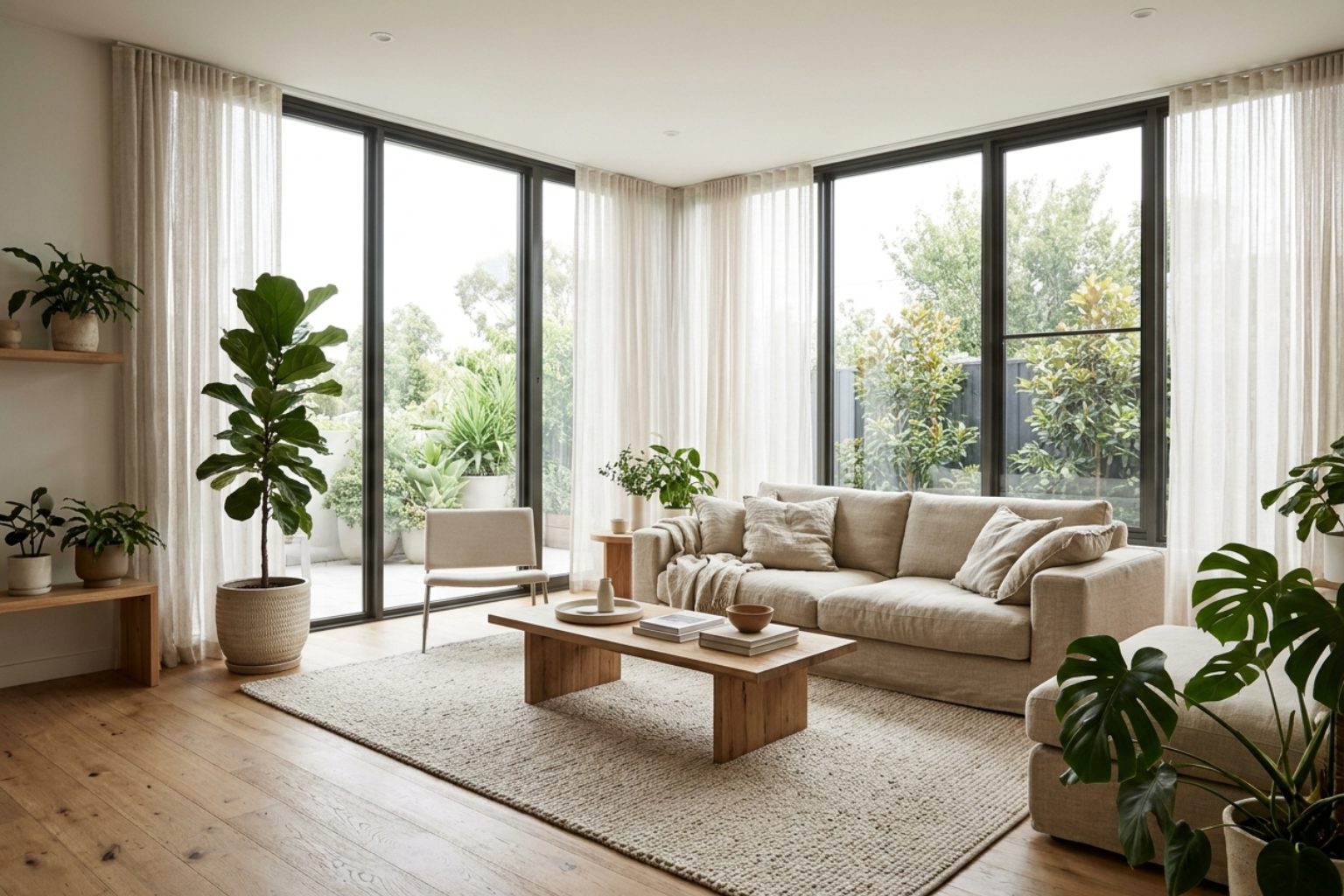
The most sustainable piece of furniture is the one that is never thrown away. That is why we encourage our clients to invest in quality where it matters: kitchen, wardrobes, flooring, bathroom. Custom furniture with good hardware lasts for decades, and when needed the fronts can be replaced without replacing the whole carcass.
“A sustainable home is not one that looks eco-friendly, but one that is used and loved for many years.” – Arch. Katerina Taneva
It depends on the scope. Basic lighting and climate control is affordable, especially if it is planned during the renovation.
Yes, with wireless systems. Wired systems are more reliable but require renovation.
Oak parquet that can be sanded many times, cork and quality ceramic tiles.
Some are, but they last longer and are easier to maintain, so in the long run they are often better value.
Want a smart, healthy and long-lasting home? Let's plan it from the design stage.
Book a consultation
 Renovation · 6 min readApartment renovation: the right order of stages – from design to moving in
The right order for an apartment renovation is: design → demolition → installations (electrical, plumbing, air conditioning) → plastering and screeds → bathroom and kitchen tiling →…
Read →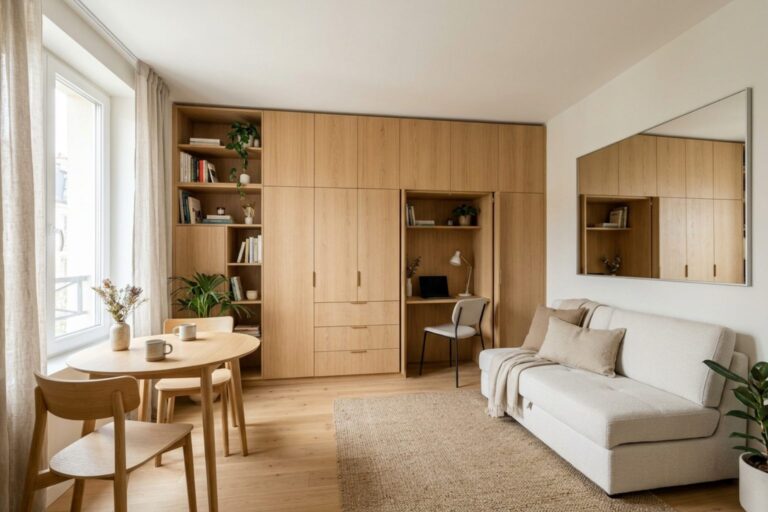 Tips · 4 min readSmall apartment: 10 solutions that make it feel more spacious
A small apartment looks bigger when it is tidy, bright and visually calm. The most effective solutions are: a light, unified palette, built-in…
Read →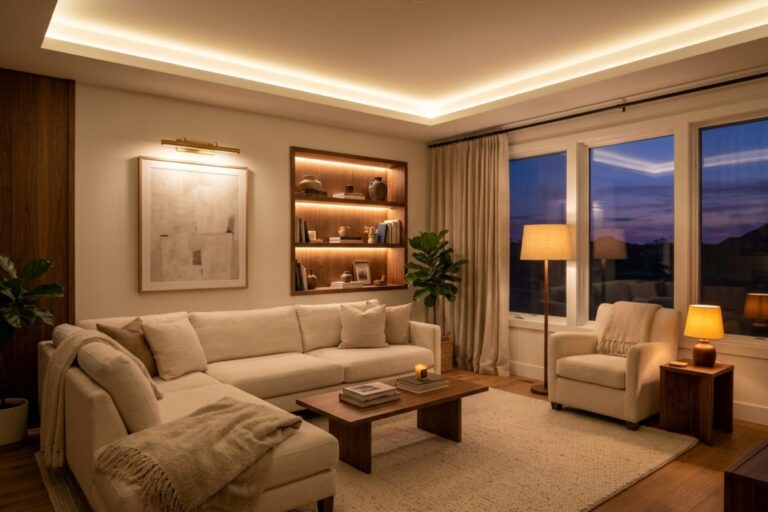 Lighting · 4 min readHome lighting: how to plan the three layers of light
Good home lighting has three layers: ambient (even light across the room – hidden LED lines, recessed spotlights), task (where you cook,…
Read →